Smart Farming Partnerships Cover Crops
About the Project
Crop intensive farming systems are running down soil carbon levels, requiring increased inputs to maintain or increase yield without necessarily improving profitability. Mixed species cover cropping offers a new approach in the Australian context. It is a key component of some farming systems overseas but is yet to be adopted widely in southern Australia.
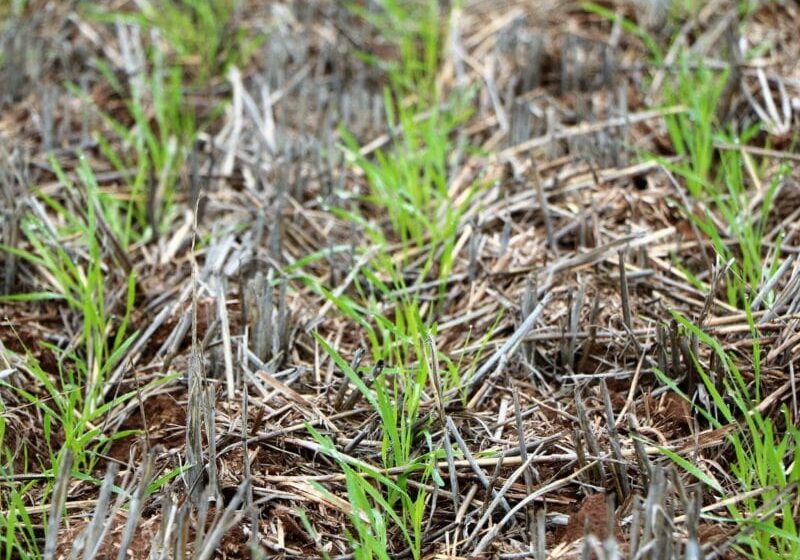
Benefits of cover crops include improving soil organic carbon, structure and health while decreasing weed and disease levels for following crops. Many potential cover crops exist and while growers are beginning to investigate these, they lack basic local knowledge to make informed decisions.
In this project, a consortium of grower groups and the CSIRO will identify and demonstrate suitable cover crops across south-eastern Australia. The impacts of cover cropping on soil health, nutrient cycling, organic carbon, and soil moisture will be measured, and the optimum timing and method to terminate the cover crops will be determined.
For further information visit the CSIRO Mixed Cover Crops website.
-
Funder: Australian Government’s National Landcare Program; Grains Research Development Corporation; Department of Environment & Water
-
Date: September 2018 - April 2022
-
Project Lead: Mark Stanley
-
Budget: $1,631,000
-
Project Team:
Greg Butler, South Australian No-Till Farmers Assoc.; Mark Farrell, CSIRO; Andrew Etherton, Grains Research Development Corporation; Susan Sweeney, Department of Environment & Water; Amy Goodman, Murraylands & Riverland Landscape Board
Project Outcomes
- Improved soil fertility across south-eastern Australia for improved farm resilience and profitability
- Efficient knowledge transfer to growers facilitating optimum cover crop choice suited to their farming system and environment
- Improved nutrient cycling and reduced fertiliser and chemical inputs through the integration of livestock into the farming system and the use of novel termination methods.
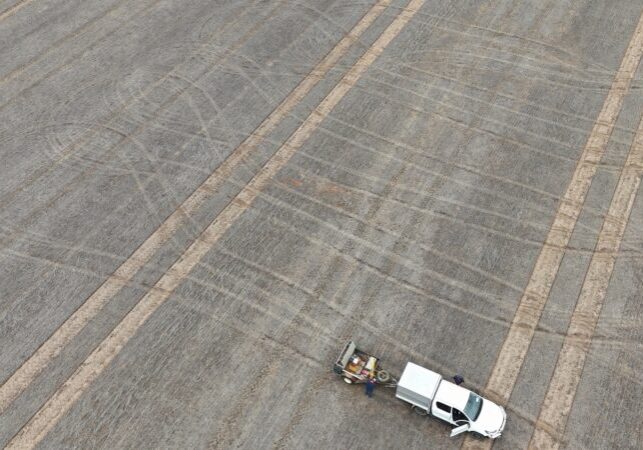
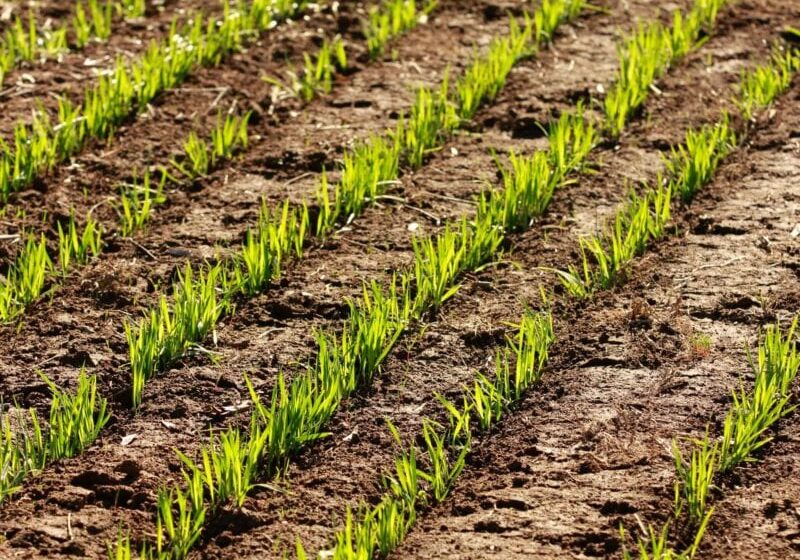
Cover cropping will be examined on 20 farms across South Australia, Victoria and Tasmania. On each farm, a replicated demonstration trial will be established from summer late 2018 and will be monitored until harvest in summer late 2021, providing 3 years of data. Paddock will be sown with multiple species cover crop (Treatment 1), and will serve as a demonstration paddock. Replicated areas within in the paddock will have two further treatments as follows:
Treatment 2: No soil disturbance, no seed added (i.e. business as usual summer fallow)
Treatment 3: Single cover crop species sown
Scientific support from the CSIRO will focus on measurements of nutrient cycling and stratification; soil organic matter and fractions; microbial biomass size and activity; soil physical parameters (bulk density, moisture content, qualitative water holding capacity); analysis of C and N in cover crop; biomass cuts and grain samples. Assessment of invertebrate communities will occur at 5 representative sites.
The performance of a broad range of cover crops will be evaluated in targeted field trials across the southern region to answer two key questions:
- What are the new and emerging plant species/varieties, summer and winter active, most suited to different environments across the region?
- What are the most effective strategies and timings to terminate a cover crop for achieving the optimum benefits for subsequent crops and soil health?
Fourteen trials will be replicated across the region allowing for rainfall and seasonal variations. An independent review of potential cover crop species to include and availability of seed will be conducted.
All project partners will attend an inception workshop to collectively plan and deliver a multi-faceted extension and communications program to be coordinated centrally to avoid duplication, ensure consistent messaging and provide data for the evaluation of investment success. There will be mid-term and end of project workshops to evaluate the project progress and decide on future actions.
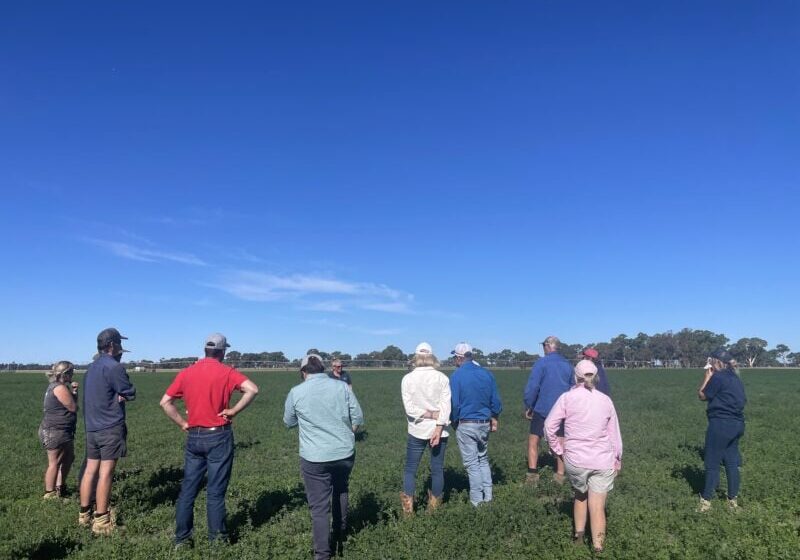
The extension activities will include demonstration site field days and inclusion of project work in grower group events.
Communication products will include case studies; web site and social media activity; production of instructional videos; and case studies on Podcasts
Project Delivery Team:

Ag Excellence Alliance
Agriculture Kangaroo Island
Air Eyre Peninsula
CSIRO
Mackillop Farm Management Group
Mallee Sustainable Farming
Murraylands & Riverland Landscape Board
South Australian No-Till Farmers Assoc.
Southern Farming Systems
Upper North Farming Systems